Best Down Lights for Every Room in Your Home?
Lighting plays a crucial role in interior design, influencing mood, functionality, and aesthetics. Down Lights are increasingly popular in modern homes due to their sleek design and versatility. According to a recent industry report by Research and Markets, the global market for down lights is expected to grow significantly, driven by consumer demand for energy-efficient solutions. This trend highlights the increasing preference for LED down lights, known for their longevity and reduced energy consumption.
Down lights can enhance any space, from cozy living rooms to functional kitchens. Choosing the right down lights requires understanding both light output and color temperature. The Illuminating Engineering Society recommends specific lumen outputs to achieve optimal ambient lighting. However, homeowners often overlook the importance of placement and beam angle. An ill-placed down light can create harsh shadows or inadequate illumination.
It’s essential to consider the unique needs of each room. For example, dimmable down lights may be ideal in bedrooms, while brighter options might be needed in workspaces. Balancing aesthetics with practicality can be challenging. Homeowners frequently struggle with making informed choices that reflect their style and needs. Understanding the nuances of down lights is key to achieving the desired atmosphere in every room.
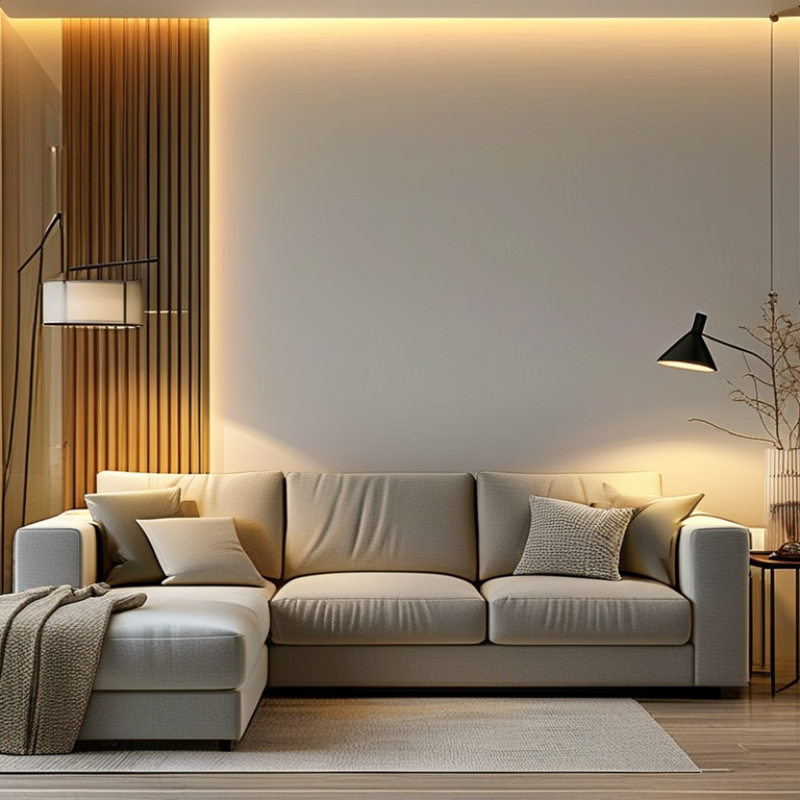
Understanding Down Lights: Types and Features
Down lights are a popular choice for modern homes. They provide focused illumination without taking up space. These fixtures are often recessed into ceilings, creating a sleek, minimalist look. Understanding the types and features of down lights can help you choose the best options for each room.
There are several types of down lights to consider. Adjustable models allow you to direct light where it's needed most. Fixed down lights work well for general lighting, providing a consistent brightness. Color temperature is another important feature. Warm white light creates a cozy atmosphere, while cool white is better for task areas.
When selecting down lights, consider the height of your ceilings and the size of the room. In smaller spaces, use fewer fixtures to avoid overwhelming the area. Larger rooms might require multiple lights for even distribution. Be mindful that not every down light suits every environment. Inadequate brightness can lead to a dim, unwelcoming space. Experimenting with placement and brightness levels is essential.
Choosing the Right Down Lights for Different Rooms
When it comes to choosing down lights for different rooms, understanding each space's unique needs is essential. Kitchen and dining areas benefit from bright, focused lighting to enhance functionality. In fact, a report from the American Lighting Association indicates that 65% of homeowners prefer adjustable down lights for these high-use spaces. This flexibility allows for different moods—from weekday meal prep brightness to ambient dining light.
In contrast, bedrooms often require softer lighting to create a calming atmosphere. Research from the Lighting Research Center emphasizes that using warmer tones in these spaces can significantly improve sleep quality. Selecting down lights with dimming capabilities can cater to the relaxation needed at night. However, one might overlook the importance of beam angle. A narrow beam may suit task areas, while a wider angle can enhance overall illumination, making the space feel more open.
Ultimately, each room holds unique lighting challenges. While down lights can provide versatility, it is key to evaluate your specific needs. Sometimes, it’s easy to assume one type fits all. A thoughtful approach ensures that every room in your home receives the best possible lighting to enhance both functionality and ambience.
Installation Tips for Optimal Lighting with Down Lights
When installing down lights, placement is key. Consider the height of your ceilings. Ideally, lights should be installed between 18 and 24 inches from the wall. This provides depth and dimension. Use more fixtures in larger rooms to avoid dim or shadowy areas. For cozy corners, fewer lights can create a warm atmosphere. Measure carefully to ensure even spacing.
Wiring can be tricky, especially in ceilings with existing structures. Ensure you have proper insulation for safety. This not only protects the fixtures but also enhances energy efficiency. Opt for LED lights to minimize heat output. This extends the life of your fixtures and reduces electricity costs. Double-check local codes before starting. Not all areas have the same regulations regarding installations.
Test each light before sealing everything up. It's easy to miss a burned-out bulb or faulty wiring after completion. A small setback now can prevent larger issues later. Always wear safety gear during installations. Accidents can happen, and being prepared is essential. Adjust the brightness with dimming options for versatility. It’s about creating the right mood for any occasion. Remember, the goal is to enhance your space without overwhelming it.
Best Down Lights for Every Room in Your Home - Installation Tips for Optimal Lighting with Down Lights
| Room | Recommended Lumens | Color Temperature (Kelvin) | Installation Tips |
| Living Room | 500-800 | 3000-4000 | Install in layers for depth; focus on seating areas. |
| Kitchen | 300-600 | 3000-3500 | Place over countertops and work areas for task lighting. |
| Bedroom | 200-400 | 2700-3000 | Use dimmers for adjustable mood lighting; focus on bedside areas. |
| Bathroom | 500-800 | 3500-4000 | Ensure adequate lighting around mirrors; use waterproof fixtures. |
| Hallway | 100-200 | 3000-4000 | Space fixtures evenly to avoid dark spots; consider motion sensors. |
Energy Efficiency and Maintenance of Down Lights
When considering down lights for your home, energy efficiency should be a top priority. LED down lights consume significantly less energy compared to traditional bulbs. They convert a higher percentage of energy into light rather than heat. This means lower electricity bills and a smaller carbon footprint. Many homeowners have reported a noticeable drop in energy costs after switching.
Maintenance is another critical aspect. Down lights, especially LED options, have a longer lifespan. While they may cost more upfront, their durability can lead to savings over time. You won't need to replace them as often. However, dust and debris can accumulate, affecting performance. Regular cleaning ensures optimal brightness.
Choosing the right down lights requires thoughtful consideration. The light color temperature impacts the ambiance of each room. Warmer tones make spaces feel cozy, while cooler tones offer a more modern feel. Think about how you use each room. Tailoring the lighting accordingly not only enhances aesthetics but also contributes to overall energy efficiency. This approach helps reduce the need for excessive lighting, promoting sustainability in your home.
Trends in Down Light Design for Modern Interiors
Down lights have become central to modern interior design. They provide versatility and style across various rooms in a home. In living areas, unobtrusive down lights can create a warm, welcoming atmosphere. They blend seamlessly with décor, producing visual interest without dominating the space.
Recent trends focus on minimalism and energy efficiency. Slim profiles and sleek finishes allow these lights to fit into tight spaces. Smart technology is also gaining traction, enabling homeowners to control lighting with ease. Adjustable brightness options let you set the mood. For kitchens, bright, focused down lights enhance functionality. However, achieving the perfect level of illumination can be tricky.
Bathrooms benefit from softer, diffuse lighting, creating a relaxing environment. Layered lighting design, combining down lights with other fixtures, can enhance depth. Designers recommend considering the height of your ceiling too. This aspect can significantly impact the light’s effectiveness. Moreover, it’s essential to pay attention to color temperature, as it affects the overall vibe of the room. Thoughtful planning is key, and even small missteps can lead to a less inviting atmosphere.
Best Down Lights for Every Room in Your Home
This chart displays the popularity of down lights in various rooms of the home, highlighting how different areas have different lighting preferences. Popularity is measured on a scale of 1 to 100, reflecting common trends in modern interior design.