How to Build Solar Power Infrastructure for Sustainable Energy Solutions?
Building a robust Solar Power Infrastructure is crucial for achieving sustainable energy solutions. As the world grapples with environmental challenges, transitioning to solar energy stands out as an effective approach. Solar power, derived from the sun's energy, holds immense potential. Utilizing this resource effectively can significantly reduce carbon footprints.
However, the journey to establish a solid solar power infrastructure is complex. It involves various elements, such as technology, financing, and community engagement. Many projects face funding hurdles or technical limitations. Moreover, the integration of solar solutions into existing energy systems is often riddled with obstacles. These challenges raise important questions about efficiency and viability.
Incorporating solar power sources requires strategic planning and innovative designs. Awareness and education are essential for community acceptance. Yet, many struggle to grasp the benefits of solar energy fully. Reflecting on past installations can provide insights into common mistakes. Each step toward a solar future demands careful consideration and a willingness to learn from experience.
Understanding the Basics of Solar Power Infrastructure
Building solar power infrastructure starts with understanding its key components. Solar panels, inverters, and energy storage are essential. According to the International Renewable Energy Agency (IRENA), solar power capacity reached 710 GW globally by the end of 2019. The potential for growth is immense. By 2030, this capacity could soar to 3,000 GW if investments increase.
Tips: Focus on high-efficiency panels and local resources. Assess the area’s sunlight exposure before installation. Local regulations play a crucial role.
Energy storage systems also need careful consideration. Battery technology is advancing, but challenges remain. A report from Lazard shows that the cost of solar energy decreased by approximately 88% since 2009. Meanwhile, energy storage costs are still high for many consumers. It’s important to weigh the pros and cons.
Tips: Explore incentive programs. They can lower upfront costs. Check for local grants and rebates too. Utilize community resources to stay informed about trends. The path to sustainable energy is evolving, and infrastructure must adapt accordingly.
Solar Power Infrastructure Components
Key Components of Solar Energy Systems and Their Functions
Solar energy systems consist of several key components. Each plays a vital role in converting sunlight into usable electricity. Understanding these components helps in designing effective solar power infrastructure.
The solar panels capture sunlight. They convert sunlight into electricity through photovoltaic cells. Inverters then convert this electricity from direct current to alternating current, which can be used in homes and businesses. Battery storage systems store excess energy for later use, ensuring a continuous power supply even when the sun isn’t shining.
**Tip:** Regular maintenance of solar panels is essential. Dust and debris can reduce efficiency. Also, consider the placement of panels. Shade from trees or buildings can hinder performance.
Another component is the mounting system. It secures panels on rooftops or on the ground, influencing the angle and exposure to sunlight. Improper installation can lead to inefficient energy production.
**Tip:** Seek professional advice on installation to avoid costly mistakes. Also, stay informed about local regulations, which can impact system design.
The inverter's lifespan impacts the entire system. When it fails, the whole system can stop working. Being aware of potential issues can lead to better management.
How to Build Solar Power Infrastructure for Sustainable Energy Solutions? - Key Components of Solar Energy Systems and Their Functions
| Component |
Function |
Benefits |
| Solar Panels |
Convert sunlight into electricity |
Renewable energy source, reduces electricity bills |
| Inverter |
Converts DC to AC electricity |
Allows solar energy to be used by home appliances |
| Battery Storage |
Stores excess energy for later use |
Ensures energy availability during non-sunny days |
| Charge Controller |
Regulates voltage and current going to batteries |
Prevents overcharging, increasing battery life |
| Mounting System |
Holds solar panels in place |
Ensures optimal positioning for sun exposure |
| Wiring and Connectors |
Connects all components of the system |
Provides efficient energy transfer |
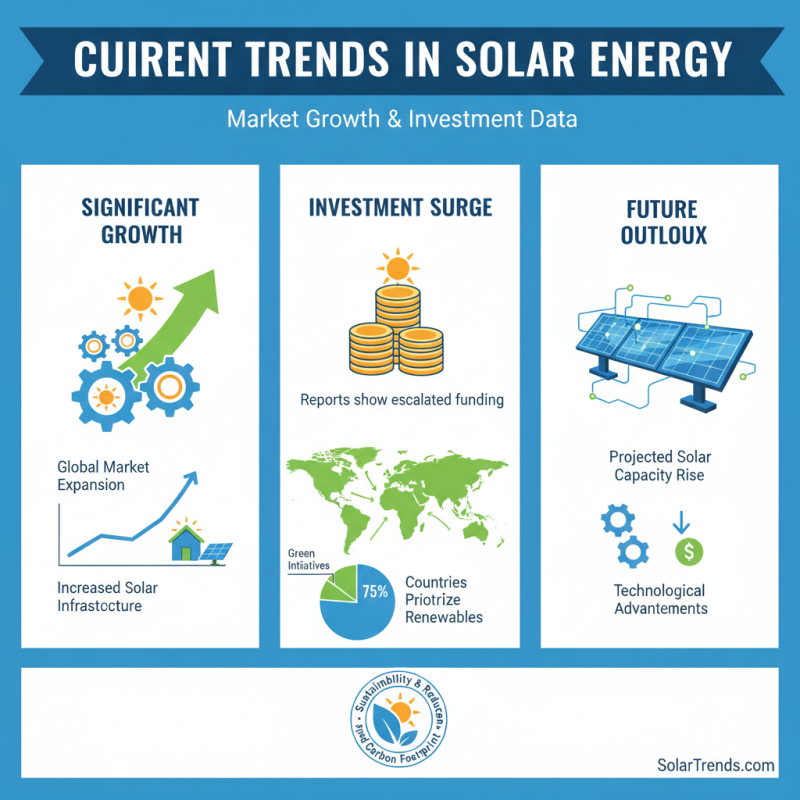
Current Trends in Solar Energy Market Growth and Investment Data
The solar energy market is experiencing significant growth. Recent reports highlight increased investments in solar infrastructure. Countries worldwide are prioritizing renewable energy solutions. This shift reflects a collective commitment to sustainability and reducing carbon footprints. Market analysts project a rise in solar capacity over the coming years, driven by technological advancements and cost reductions.
Investors are exploring various avenues within the solar sector. From large-scale solar farms to innovative solar technology startups, the landscape is diverse. However, challenges remain. Some regions lack adequate grid infrastructure to support solar expansion. This disconnection can hinder potential growth. Furthermore, policy inconsistencies may affect investment flow in certain areas.
Despite these challenges, the outlook for solar energy remains positive. Communities are adapting to new technologies. Homeowners are finding ways to integrate solar solutions seamlessly. The journey toward sustainable energy requires continued effort and adaptation. Companies need to reassess strategies and focus on long-term goals. The future is bright, but it demands more than just enthusiasm. It requires careful planning and commitment from all stakeholders.
Strategies for Integrating Solar Power into Existing Energy Grids
Integrating solar power into existing energy grids presents various challenges and opportunities. Many grids are still designed for traditional energy sources. This reliance can hinder the adoption of renewable solutions. Energy providers must adapt infrastructure to accommodate solar influx. This includes enhancing grid flexibility and storage capacity.
One key strategy involves improving communication systems. Smart grid technology enables real-time data sharing. It helps manage the intermittent nature of solar energy. Energy storage systems, like batteries, play a critical role as well. They store excess energy during sunny periods and release it when production dips. However, these systems can be costly. Not all regions will find it feasible to invest in them.
Coordination among stakeholders is another hurdle. Utility companies, government agencies, and businesses need common goals. Misalignment can lead to wasted resources. Some areas may underestimate their solar potential. This results in lower investment and poor integration. Collaboration might uncover local solar advantages that aren't initially obvious. Engaging communities can make solar projects more accepted and effective. There's much work ahead to ensure a seamless blend of solar energy with traditional grids.
Policies and Incentives Driving Solar Infrastructure Development Worldwide
Policies and incentives play a crucial role in solar infrastructure development. Governments worldwide recognize the importance of renewable energy. Many countries offer tax credits and subsidies to encourage solar energy adoption. These financial benefits make solar installations more affordable for homeowners and businesses.
Regulations also shape the solar landscape. Some regions have set ambitious renewable energy targets. These targets fuel investments in solar technologies and infrastructure. However, challenges remain. Not all governments prioritize solar energy equally. Some areas still rely heavily on fossil fuels. This inconsistency can create barriers for progress.
Public awareness campaigns are essential. They can help educate communities about the benefits of solar power. Additionally, promoting energy efficiency alongside solar solutions is vital. Still, some initiatives may lack local community support. Building trust and understanding among stakeholders is important for lasting change. Engaging the public can foster a sense of ownership in the transition to solar energy.