China Top Backup Power Systems for Reliable Energy Solutions?
In the rapidly evolving energy landscape, Backup Power Systems are becoming essential for maintaining continuity in various sectors. As per the Global Data report, the backup power market is expected to grow by 7.5% annually from 2022 to 2028. This statistic emphasizes the increasing importance of reliable energy solutions in not just industrial sectors but also in residential areas.
China, with its industrial prowess, is leading the charge in developing advanced backup power technologies. Companies like Huawei and Longi Solar are at the forefront, accelerating innovations in solar backup systems. However, challenges persist. Many systems struggle with efficiency and scalability in diverse applications. Moreover, the market's reliance on imported components can hinder local manufacturers' growth potential.
This situation presents both an opportunity and a call for reflection. While China aims for energy independence, relying on home-grown Backup Power Systems is crucial. Stakeholders must assess current systems for shortcomings and refine their technologies. Constant evaluation will ensure that the nation's energy resilience aligns with its growth trajectory.

China's Energy Landscape: Overview of Backup Power Systems
In recent years, China's energy landscape has undergone significant transformation. With rapid industrial growth, the demand for reliable backup power systems has surged. These systems are essential for ensuring continuous energy supply during outages or peaks in demand. Various types of backup solutions have emerged, ranging from traditional generators to advanced battery storage technologies.
The increasing reliance on renewable energy sources, such as solar and wind, presents unique challenges. While these sources play a crucial role, their intermittency can lead to fluctuations in power availability. Backup power systems must address these issues effectively. Many businesses and residential users are now investing in hybrid systems that combine multiple sources for enhanced reliability. However, integrating these technologies requires careful planning and investment.
Despite advancements, the implementation of backup power systems is not without challenges. Dependence on fossil fuels in some regions raises concerns about sustainability. Additionally, the cost and complexity of installation can deter many users from making the switch. Ongoing education and support for stakeholders are vital for improving the adoption of more reliable energy solutions in China.
Key Technologies in China's Backup Power Solutions: A Comparative Analysis
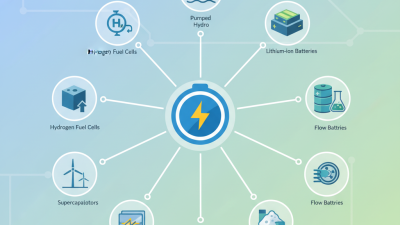
China's backup power systems showcase a variety of technologies aimed at ensuring reliable energy solutions. Key among these are battery energy storage systems, diesel generators, and UPS (Uninterruptible Power Supply) systems. Each technology plays a unique role. Battery systems provide rapid energy release, while diesel generators are reliable for longer outages. UPS units ensure immediate power during brief interruptions.
The effectiveness of these systems can vary significantly. Battery systems are efficient but often costly and require regular maintenance. Diesel generators, while dependable, emit pollutants and depend on fuel availability. UPS solutions are great for short periods but not suitable for extended outages. This reflects a balance between performance, cost, and environmental impact.
China's energy landscape is evolving. There are innovations happening across sectors, yet challenges remain. The integration of these technologies is still imperfect. Users may face issues like compatibility and scalability. As the demand for reliable backup power rises, ongoing improvements are essential. Addressing these gaps could lead to more sustainable and efficient solutions.
Market Growth and Trends: China's Backup Power System Industry Forecast
China's backup power system industry is experiencing remarkable growth. The increasing demand for reliable energy solutions is driving this trend. Many sectors need backup power, especially healthcare, data centers, and manufacturing. These industries can't afford disruption. As a result, investments in backup power solutions are on the rise.
Renewable energy is also shaping the market. Solar and wind power integrate well with backup systems. This integration enhances reliability. However, challenges remain. The technology can be costly. Not all regions have the infrastructure for advanced backup options. This can lead to uneven access to quality power solutions.
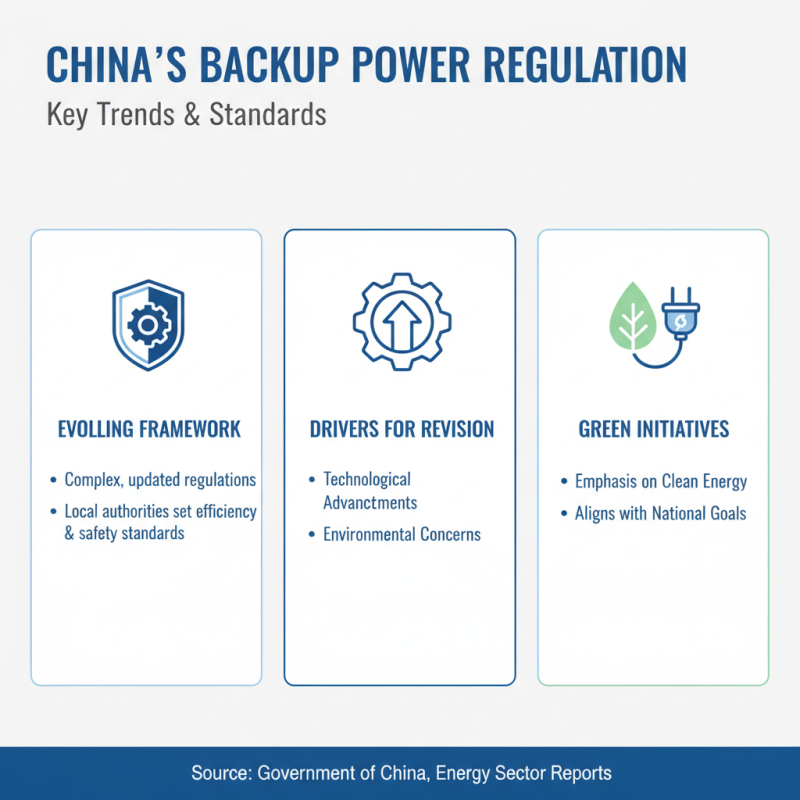
The future is promising, but uncertainties linger. Market players must adapt to changing regulations and technologies. Consumer awareness is growing, but misinformation can cause hesitance. Businesses should focus on transparency and education. Addressing these gaps can boost confidence in the backup power landscape in China. The industry must evolve continually to meet the demands of a fast-changing energy world.
China's Backup Power System Market Growth (2021-2025)
This bar chart illustrates the predicted market growth of China's backup power systems from 2021 to 2025, indicating a steady increase in market size as the demand for reliable energy solutions continues to rise.
Major Players in the Backup Power Sector: Companies and Innovations
The backup power sector in China is evolving rapidly. Major players in this field are focusing on enhancing reliability and efficiency. This growth is driven by technological advancements and increasing demand for uninterrupted power supply. Companies are investing in more sustainable solutions, like solar and wind-supported systems. These innovations promise to provide cleaner energy options for both residential and commercial applications.
One notable trend is the integration of smart technology in backup systems. Remote monitoring and automated controls are becoming standard. This allows users to manage energy use effectively. However, some companies still struggle with the implementation of these advanced features. Ensuring compatibility with existing infrastructures presents challenges.
Another area of focus is battery technology. Lithium-ion batteries are widely used, yet there are ongoing debates about their long-term sustainability. Research is underway to improve efficiency and reduce costs. Still, many consumers remain concerned about the environmental impact of battery disposal. Balancing innovation with ecological responsibility is essential. The path to a more reliable energy future is filled with opportunities and hurdles.