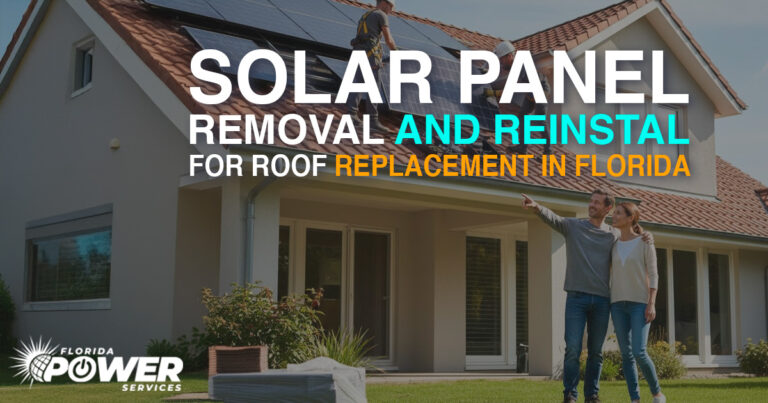
Solar Panel Removal and Reinstall for Roof Replacement in Florida
If you’re replacing your roof and already have solar panels installed, you’ll likely need solar panel removal and reinstall during the process. When planned correctly,

Choosing the China best solar panels for maximum energy efficiency requires more than comparing laboratory ratings. Solar Energy Efficiency depends on module design, temperature behavior, shading, installation quality, and long-term degradation. China remains the world’s largest photovoltaic manufacturing base. The International Energy Agency’s Renewables 2024 report shows that global solar capacity expanded rapidly in 2023, with China contributing a major share of new installations. This scale supports competitive pricing and fast technology development, but it does not make every panel equally suitable.
Recent Fraunhofer ISE Photovoltaics Reports show that leading commercial modules commonly achieve efficiencies above 22%, while advanced TOPCon, heterojunction, and back-contact products can reach higher levels. Manufacturers such as JinkoSolar, LONGi, Trina Solar, and JA Solar offer strong product lines, yet efficiency is only one part of the decision. A panel rated at 23% may perform differently on a hot rooftop at noon. Its temperature coefficient, low-light response, bifacial gain, and warranty terms matter just as much.
Real conditions can be less impressive.
The IEA PVPS Task 13 research highlights the importance of system performance, not only nameplate power. A reliable evaluation should compare annual yield, degradation guarantees, independent testing, and installer experience. For example, a shaded 450-watt panel may produce less energy than a well-positioned 430-watt panel. This article examines China’s leading solar panels through practical performance data, certification evidence, and lifecycle considerations. The “best” choice may still be uncertain without local sunlight, roof orientation, and grid conditions. That limitation deserves attention.
What Makes Solar Panels Energy-Efficient in China?
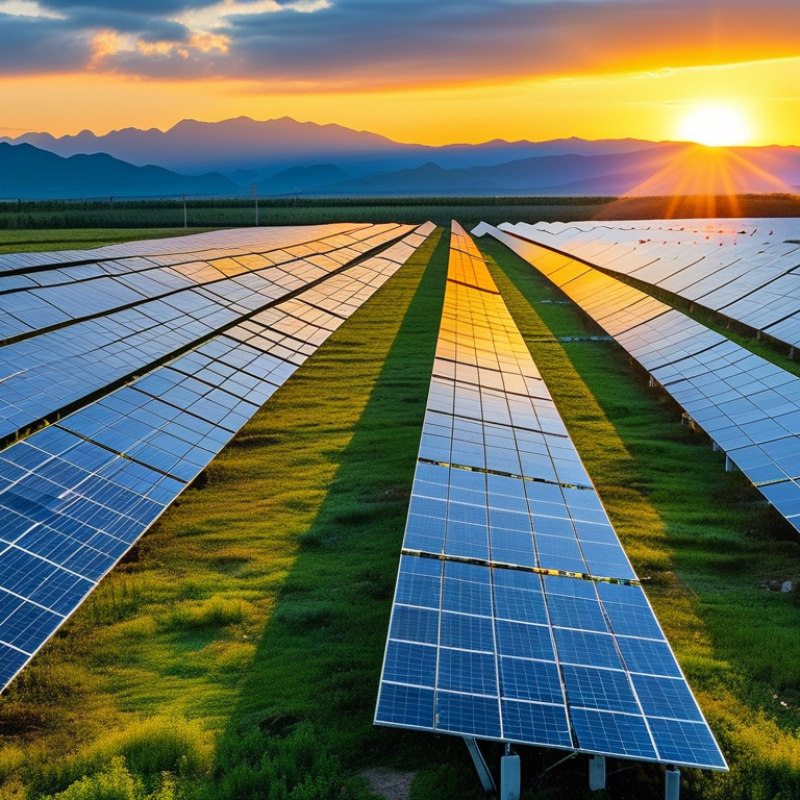
Solar-panel efficiency is not only a laboratory percentage. It reflects how much sunlight becomes usable electricity on a roof or site. The IEA Photovoltaic Power Systems Programme reported that China added about 217 GW of solar capacity in 2023. This large market has accelerated improvements in silicon wafers, cell structures, and module production. Still, a high nameplate rating can mislead.
Modern commercial modules commonly reach about 20% to 23% efficiency, according to Fraunhofer ISE’s Photovoltaics Report 2024. Larger wafers and advanced cell designs reduce electrical resistance. Bifacial modules can also collect reflected light from pale ground surfaces. The actual gain depends on spacing, surface reflectivity, and installation height. Temperature matters. In hot regions, a lower temperature coefficient can protect midday output when module surfaces exceed 60°C.
Reliability is equally important. NREL research commonly places crystalline-silicon module degradation near 0.4% to 0.5% annually, although field results vary. Dust, humidity, shading, and weak ventilation can erase theoretical gains. I have seen clean test conditions promise more than ordinary rooftops deliver. That gap deserves attention. Buyers should compare operating temperature, low-light response, degradation warranties, and measured energy yield, not efficiency alone. China’s manufacturing scale supports competitive engineering, but installation quality still decides much of the electricity produced.
| Panel Technology | Typical Commercial Efficiency | Typical Power Output | Temperature Coefficient | Bifaciality | Annual Degradation After Year 1 | Energy-Efficiency Strength |
|---|---|---|---|---|---|---|
| Monocrystalline PERC | 20%–23% | 400–660 W | About −0.34% to −0.36%/°C | Usually 65%–75% | About 0.45%–0.55% | Mature, widely available, and cost-effective for standard rooftop and utility-scale installations. |
| N-Type TOPCon | 21.5%–23.5% | 430–720 W | About −0.29% to −0.32%/°C | Usually 75%–85% | About 0.30%–0.40% | Higher efficiency, lower light-induced degradation, and strong performance in hot operating conditions. |
| Heterojunction (HJT) | 21.5%–23.5% | 430–730 W | About −0.24% to −0.26%/°C | Usually 85%–95% | About 0.25%–0.35% | Excellent temperature performance, strong bifacial energy gain, and low long-term degradation. |
| Back-Contact Silicon | 22%–24% | 430–700 W | About −0.29% to −0.32%/°C | Varies by design | About 0.25%–0.35% | Very high power density and an unobstructed front surface, making it suitable where roof space is limited. |
| Thin-Film CIGS | 13%–19% | 100–500 W | About −0.20% to −0.30%/°C | Generally not applicable | Typically 0.40%–0.70% | Good performance in high temperatures and diffuse light, but requires more installation area for the same output. |
| High-Efficiency Selection Target | At least 21.5% | Depends on module size | No higher than −0.30%/°C preferred | At least 75% for bifacial systems | No more than 0.40% preferred | A practical benchmark for maximizing lifetime energy yield in many Chinese climate zones. |
Notes: Values are typical ranges for commercially available modules and can vary by product design, operating conditions, and certification. Efficiency ratings are generally measured under standard test conditions: 1,000 W/m² irradiance, 25°C cell temperature, and AM1.5 spectrum.
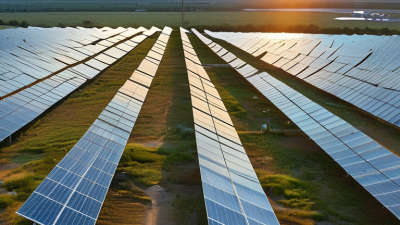
China’s solar technologies are improving power output through better cell designs, not larger panels alone. N-type TOPCon and heterojunction cells reduce electrical losses inside the silicon structure. The ITRPV 2024 report shows n-type technologies rapidly gaining share in global production. Commercial module efficiency is now commonly above 22%, according to Fraunhofer ISE’s Photovoltaics Report 2024. Small gains matter. A one-percent efficiency increase can add meaningful annual energy on a crowded rooftop.
Bifacial modules collect light reflected from roofs, soil, or snow. IEA PVPS reports that bifacial systems may deliver 5% to 15% more energy, depending on surface reflectivity and installation design. Better encapsulation also limits degradation from heat, humidity, and ultraviolet exposure. However, headline efficiency can mislead. A shaded roof will not match laboratory output. Dust, high temperatures, weak inverters, and poor cable layouts still reduce production. Real projects need measured site data, not attractive specification sheets. That is where practice becomes less perfect.
Tips: Compare annual energy yield, temperature coefficients, and degradation rates. Ask for independent test results under realistic conditions. Leave space beneath panels for airflow. Use reflective surfaces carefully, because glare and extra cost can outweigh modest gains. Review output after the first year; actual performance may challenge the original forecast.
Choosing the right Chinese solar panel starts with the building, not the catalogue. For small urban roofs, high-efficiency monocrystalline modules use limited space well. Their darker surface can deliver strong output where shade is brief and unavoidable. They usually cost more, however, so extra wattage must justify installation costs. A practical roof survey should record orientation, usable area, afternoon shadows, and local wind exposure. Details matter.
For larger roofs or ground arrays, TOPCon and heterojunction modules can suit owners seeking lower degradation over decades. They often perform better in hot conditions, but results depend on ventilation, mounting, and inverter design. For tighter budgets, polycrystalline panels may still work on spacious sites with moderate energy targets. They need more area for the same capacity. Thin-film options can help on lightweight surfaces or unusual shapes, although lower efficiency demands careful space planning. That trade-off is easy to underestimate.
Homes with high evening consumption may need panels paired with storage, not simply more generation. Agricultural buildings often benefit from durable modules with strong mechanical-load ratings and easy cleaning access. Before purchase, check independent test data, IEC certification, degradation figures, product warranties, and the installer’s inspection method. A long warranty means little if exclusions are ignored. Field assessments often show attractive efficiency claims losing value after shading and poor cable routing are measured. No chart predicts every roof. Local climate and workmanship remain decisive.
Choosing China-made solar panels requires more than reading the efficiency percentage. Fraunhofer ISE’s Photovoltaics Report 2024 places leading commercial crystalline-silicon modules near 23–24% efficiency. That figure matters when roof space is limited. However, a higher rating does not guarantee higher annual output. Temperature, shading, dust, orientation, and inverter losses can reduce production. A 24% panel under a hot, partially shaded roof may produce less energy than a 22% panel with better airflow and placement. Small details matter.
Durability deserves equal attention. The 2024 PV Module Reliability Scorecard evaluates modules through damp heat, thermal cycling, and mechanical stress tests. These tests resemble years of outdoor punishment, but laboratory results cannot predict every coastal or desert installation. The NREL review of photovoltaic degradation rates reports a median crystalline-silicon decline of about 0.5% annually. Ask for the exact degradation schedule, not only the headline warranty. At 0.5% yearly loss, output after 25 years is roughly 88% of the original level. Real projects can perform differently. That uncertainty should be priced into the decision. Compare temperature coefficients, glass construction, load ratings, service records, and replacement costs. A slightly cheaper panel may become expensive if cleaning is difficult or early failures require rooftop labor. Long-term value is measured in delivered kilowatt-hours, not showroom efficiency alone.
Selecting China-made solar panels starts with project conditions, not catalog efficiency. The IEA PVPS Trends 2024 report recorded about 456 GW of new photovoltaic capacity in 2023. Scale is impressive. It also makes supplier comparison harder. Request third-party test reports, factory quality records, and serial-number traceability samples. Check IEC 61215 and IEC 61730 certification through the issuing laboratory. A certificate alone is not enough.
Compare power output at your actual site temperature. Fraunhofer ISE’s Photovoltaics Report shows leading commercial crystalline-silicon modules generally exceed 20% efficiency. Heat still reduces output. A panel with a stronger temperature coefficient may outperform a higher-rated panel on a hot roof. Review bifacial gain assumptions carefully. White roofs, tracker spacing, and rear-side shade can change results. Ask for measured data, not optimistic percentages.
Evaluate degradation, mechanical loading, warranties, and support together. NREL research commonly cites median crystalline-silicon degradation near 0.5% annually. Small differences become expensive over 25 years. Check salt-mist, ammonia, PID, hail, and fire-test evidence when relevant. Inspect packaging and replacement procedures before signing. This is where projects often stumble. Price is tempting. It is not enough. I would avoid trusting a polished datasheet before checking field references. Compare three similar installations, and keep every assumption visible. Some will be wrong.

If you’re replacing your roof and already have solar panels installed, you’ll likely need solar panel removal and reinstall during the process. When planned correctly,
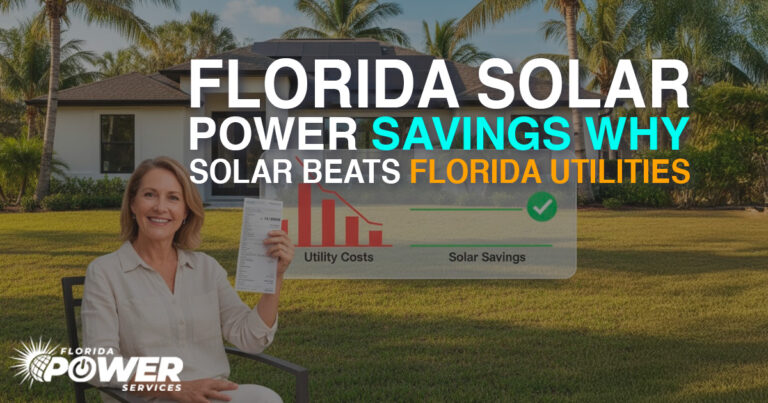
Florida homeowners are seeing their power bills rise faster than ever. Between AI data centers, fuel costs, and storm-related grid upgrades, utilities are increasing rates

⏳Go Solar Before the Deadline Permitting in Pinellas County solar jurisdictions is already experiencing serious delays. Plan reviews are running 4+ weeks behind. That means

NABCEP Certified
PV Installer

Licensed &
Insured

Systems Engineered
For A 25 Year Life Cycle

Over 4 Megawatts
Of Solar Installed

Expert Service In The
Unlikely Event Of
An Issue
Florida Power Services
"The Solar Power Company"
Florida Power Services
"The Solar Power Company"
based on 62 reviews
Florida Power Services
"The Solar Power Company"
based on 33 reviews


Utility rates rise 4–6% every year. Solar converts that rising expense into an asset that can pay for itself, and once it’s paid off, your power is essentially free. Many property owners qualify with no money out of pocket.