Top 10 Electric Vehicles in China You Should Know About?
The electric vehicle (EV) industry in China is booming. A report from the International Energy Agency revealed that in 2022, over 6 million Electric Vehicles were sold in China, representing nearly 60% of global sales. This rapid growth highlights the significance of electric vehicles in the country's automotive landscape. With government initiatives promoting clean energy and reducing carbon emissions, consumers are increasingly shifting towards EVs.
China is home to a multitude of innovative electric vehicle manufacturers. Companies like BYD and NIO are not only reshaping the market, but they also focus on high-quality construction and advanced technology. Their vehicles often feature cutting-edge battery management systems and autonomous driving capabilities. However, potential buyers should consider the challenges within the EV market, such as the availability of charging infrastructure and battery life concerns.
The surge in electric vehicle adoption reflects changing consumer preferences. Yet, it poses questions about sustainability and environmental impact. Can the current EV production methods continue to align with global sustainability goals? As this sector evolves, it remains crucial to examine both its achievements and ongoing challenges.
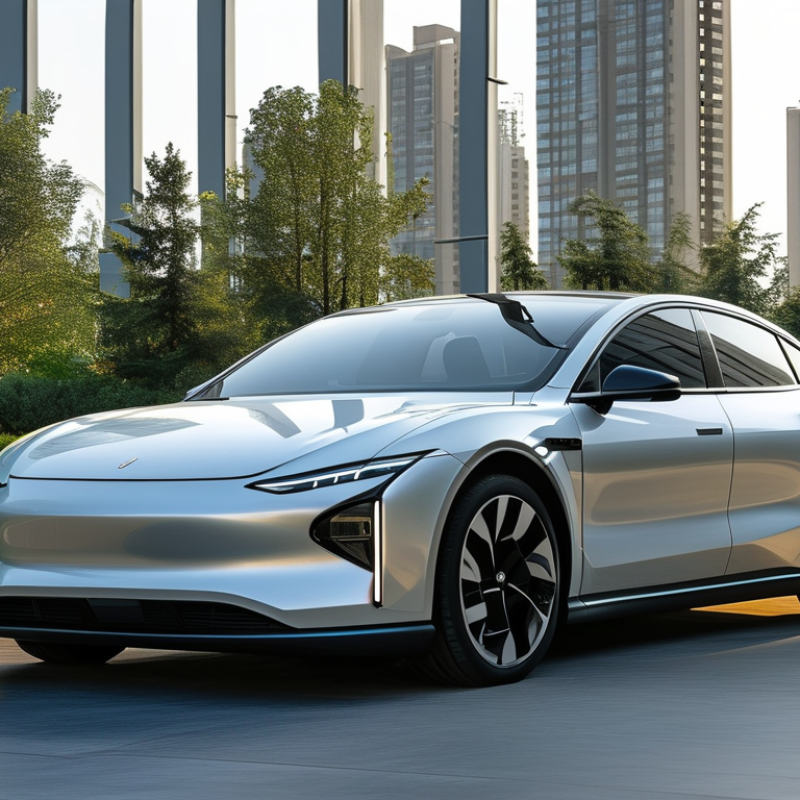
Overview of the Electric Vehicle Market in China
The electric vehicle (EV) market in China is rapidly evolving, drawing global attention. With strong government support and innovative technology, the landscape is changing. Major cities are expanding charging infrastructure. This makes owning an EV more convenient and appealing. A variety of models cater to different consumer preferences, from high-end sedans to compact city cars.
Despite the progress, some challenges remain. The market is crowded, leading to intense competition among manufacturers. Quality control can sometimes be inconsistent, affecting reliability. Moreover, consumer education on EV benefits is still necessary. Many potential buyers are unaware of the total cost of ownership and incentives available.
As battery technology improves, range anxiety decreases. More drivers are willing to transition to electric. However, infrastructure gaps in rural areas persist. This can hinder adoption outside urban centers. Future developments must address these gaps. Building a robust charging network is crucial for sustainable growth.
Key Features Influencing Electric Vehicle Popularity
The rise of electric vehicles (EVs) in China is driven by several key features. Battery technology leads the charge. The range of an EV greatly influences consumer choices. According to a report from the China Electric Vehicle Association, over 70% of buyers prioritize vehicles that can cover at least 400 kilometers per charge.
Charging infrastructure also plays a crucial role. Reports indicate that more than 50% of potential buyers worry about charging availability. Urban areas are rapidly expanding their networks, yet gaps remain in rural regions. Users often hesitate due to these charging concerns.
Additionally, affordability impacts interest. A study by the International Energy Agency highlighted that cost-effective models attract younger consumers. These individuals seek budget-friendly options but may compromise on features like performance or brand prestige. This creates a tension between price and desirability, illustrating the complexity of consumer preferences in this evolving market.
Top 10 Electric Vehicles Shaping the Chinese Automotive Landscape
The electric vehicle (EV) market in China has seen explosive growth over the past few years. In 2022, electric car sales surged, accounting for over 25% of the total vehicle market. This shift is reshaping the automotive landscape dramatically. The demand for EVs is driven by government policies aimed at reducing emissions and promoting sustainability.
Several factors contribute to the rise of EVs. Battery technology has improved significantly, extending driving ranges. Charging infrastructure has expanded rapidly, making EV ownership more practical for everyday consumers. Despite these advancements, challenges remain, such as the dependency on rare materials for batteries and concerns about charging speed and availability.
Moreover, consumer preferences are evolving. Many buyers seek not only eco-friendly options but also modern design and innovative technology. Yet, some consumers express doubts about the long-term reliability of electric vehicles. Addressing these concerns is essential for continued growth in this market sector. As the landscape evolves, the need for continuous improvement and adaptation becomes increasingly important.
Top 10 Electric Vehicles in China - Performance Overview
Comparative Analysis of Leading Electric Vehicle Brands in China
The electric vehicle (EV) market in China is rapidly evolving. A diverse range of brands offers unique features and capabilities. Understanding these brands is essential for consumers. Each brand has distinct strengths, shape their user experience. This diversity enhances competition, benefiting consumers.
Many leading brands emphasize battery technology. They aim to improve range and charging speed. However, some brands still struggle with reliability. Users often report inconsistent performance, raising concerns about long-term usability. This inconsistency highlights the importance of thorough research before purchase.
Pricing also varies significantly among Chinese electric vehicles. While some models offer premium features, others target budget-conscious buyers. Consumers should weigh their options carefully. Not all brands offer the same level of service or warranty. Engaging with user reviews can provide valuable insights, revealing both strengths and weaknesses. Understanding these nuances can aid in making an informed decision.
Future Trends and Innovations in China's Electric Vehicle Sector
The electric vehicle (EV) market in China is evolving rapidly. Innovations in battery technology and charging infrastructure are transforming urban mobility. Many manufacturers focus on improving energy efficiency. This trend enhances the driving range, making EVs more desirable for consumers.
Tips: Consider the availability of charging stations. A robust network affects your choice of vehicle. Research battery lifespan and maintenance needs for practical ownership.
Smart features are becoming standard in new models. Advanced driver-assistance systems increase safety. As technology advances, we are witnessing vehicles that can communicate with each other. This development promises to reduce traffic congestion and accidents.
Tips: Stay informed about software updates. Manufacturers often enhance vehicle performance and security through them. Evaluate warranty options, as long-term support can be crucial.
Despite the amazing advancements, challenges remain. The production process for batteries poses environmental concerns. As we push for progress, finding sustainable solutions is vital. Balancing innovation with eco-friendliness will define the future of EVs in China.