What Are the Top Solar Energy Systems in China?
Selecting a solar energy system starts with the application, not the panel. According to IEA PVPS Trends 2024, China held more than half of global cumulative photovoltaic capacity by the end of 2023. This scale creates many choices, but it also makes comparison harder. Start with the load. Not the panel.
For homes, rooftop systems should match daytime demand, roof direction, shading, and local grid rules. A small battery can support evening lighting and refrigeration, but it may not justify its cost in areas with reliable grid power.
Commercial buildings often need larger systems with monitoring and demand management. Their best design usually follows the building’s hourly electricity curve. Oversizing remains a common mistake.
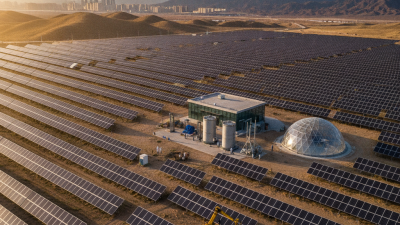
Remote farms, communication sites, and island facilities require a different approach. Hybrid systems need batteries, backup generation, and careful protection against humidity, dust, and low temperatures. For factories, engineers should examine transformer capacity, peak demand charges, roof loading, and fire-access space. The China National Energy Administration reported 216.9 gigawatts of new solar capacity in 2023, showing rapid deployment but not guaranteed project quality. Technical due diligence still matters.
Compare annual yield, battery degradation, replacement costs, and maintenance access. Check independent test results and applicable electrical certifications. A perfect forecast is impossible. Seasonal weather and changing loads will challenge even careful designs. Use measured consumption data whenever possible, then review the system after its first operating year.