7 Best Backup Power Systems for Homes in 2026

A brief outage can interrupt more than the lights. Your refrigerator warms, the Wi-Fi drops, and a medical device may need dependable backup. In 2026, choosing among Backup Power Systems means matching equipment to your home, not simply buying the largest battery.

This guide examines seven options for different needs and budgets. It considers usable capacity, continuous and surge output, recharge methods, transfer equipment, warranty terms, and installation requirements. Those details matter. A unit may run a few lamps for hours but struggle with a well pump or central air conditioner. Check appliance labels and manufacturer specifications before deciding. For larger systems, have a qualified installer assess wiring, ventilation, and local requirements.

Expect trade-offs. Portable power stations can be easier to move, while fixed battery systems may offer more seamless backup when properly installed. Generators can provide longer runtime, but fuel, noise, and outdoor placement need careful attention. No system is perfect. Even a well-sized battery can fall short during a prolonged outage, especially if several high-demand appliances run together.

The recommendations ahead are starting points, not a substitute for a home load assessment. Think about what must stay on, how long outages usually last, and whether you can recharge during an emergency. A short written list helps. It may also reveal that keeping every appliance running is not realistic—or necessary.
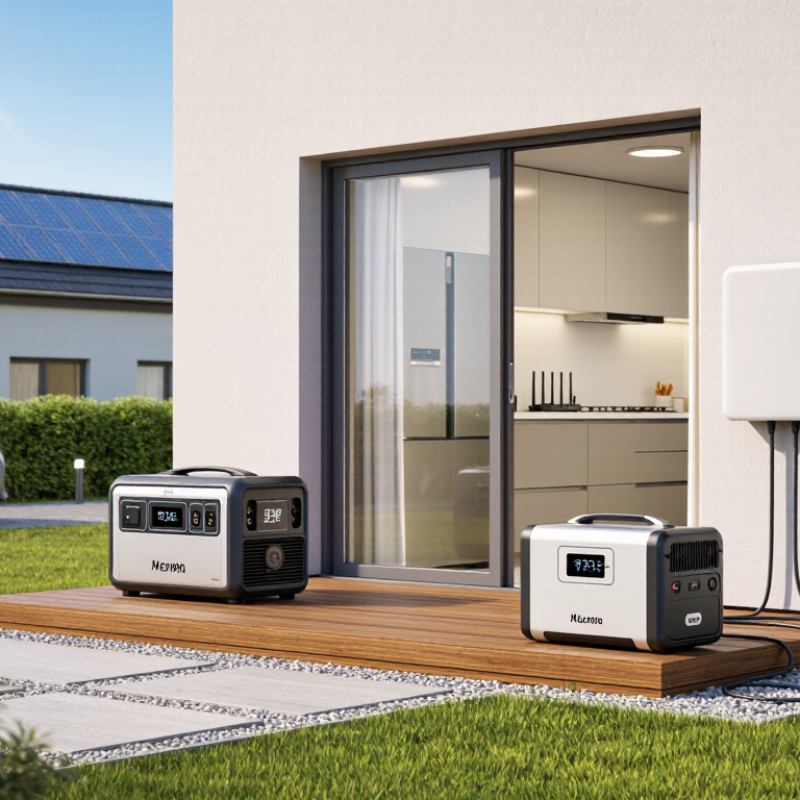
7 Best Backup Power Systems for Homes in 2026

Understanding Home Backup Power Systems and Their Main Components

A home backup power system is more than a battery. It is a chain of components that must work together when the grid fails. The U.S. Energy Information Administration reported that electricity customers experienced an average of 5.6 hours of interruptions in 2022, including major events. That figure helps explain why planning for outages matters, but it does not predict how long a particular home will be without power. A battery stores energy; an inverter converts its direct current into the alternating current used by household circuits. A transfer switch safely separates backup power from the grid. Some systems also include a charge controller or a generator for longer outages.

Capacity is measured in kilowatt-hours, while power output is measured in kilowatts. Both matter. A system with ample stored energy may still struggle to start a well pump or air conditioner if its output is too low. The National Renewable Energy Laboratory’s Storage Futures Study examines how storage can support a more flexible electric grid, but household sizing still depends on actual loads and outage patterns. List essential devices, then check their running and startup demands. A refrigerator, modem, a few lights, and a medical device can add up quickly. The list may be wrong. Measure where possible, and ask a qualified electrician to review wiring, transfer equipment, and installation plans.

Typical Running Power of Common Household Loads

Understanding appliance demand helps estimate which essential circuits a home backup power system can support.

Approximate running-power examples: actual consumption varies by appliance model and operating conditions. Motors such as pumps may require substantially more power during startup.

How to Evaluate Backup Power Systems for Home Use in 2026

A useful evaluation starts with the loads you actually need, not a “whole-home” label. The U.S. Energy Information Administration’s 2020 Residential Energy Consumption Survey reported average household electricity use of about 10,566 kilowatt-hours annually. That average is a starting point, not a sizing rule: a refrigerator, medical equipment, lights, and a router may need far less power than heating or cooling.

List each essential device’s running watts, startup surge, and expected hours of use. Then compare that demand with a system’s continuous output and usable capacity. Check transfer time, recharge options, noise, indoor-use restrictions, and performance in cold or hot conditions. EIA reliability data also show why local outage patterns matter; a short, frequent outage calls for different capacity than a rare, multi-day event. Details count.

Read the test conditions behind any runtime claim. A system powering one small load may last far longer than one serving a refrigerator and several lights. Ask whether capacity can expand later, and whether installation, ventilation, and routine checks fit your home. I would not size around a perfect estimate; household use changes, and that uncertainty deserves room. Still, buying far more capacity than your essential loads need can add cost without useful resilience.

Comparing Battery, Generator, and Hybrid Backup Systems

Choosing a home backup system starts with what must stay on when the grid fails. A battery system switches quietly and can keep lights, a router, and a refrigerator running without fumes. It suits short outages and homes with solar panels, though cloudy days may leave it partly recharged. Capacity matters: a small unit may run a fridge, but not necessarily an electric oven and heating system together. Check the rated output, not just the advertised storage.

Generators can provide power for longer periods when fuel is available. They may support larger loads, but they are noisy and need regular maintenance. They must operate outdoors, well away from windows and doors, because exhaust can be dangerous. Fuel storage also takes planning. It is easy to underestimate how much fuel a multi-day outage could require.

Hybrid systems combine a battery with a generator or solar charging. The battery can handle brief interruptions and quiet overnight use, while the generator recharges it during longer outages. That sounds tidy on paper. In practice, installation costs and system controls can be confusing, and not every home needs the extra complexity. Before choosing, list essential appliances, their starting loads, and the hours you want them powered. I would still leave some margin; household needs change, and estimates are often too optimistic.

Seven Standout Backup Power Systems for Homes in 2026

Seven standout backup power systems for homes in 2026 serve different needs, from keeping a router online to running essential household circuits. A portable power station is quiet and simple to move, making it useful for phones, lights, and small appliances. Its limits become obvious when a refrigerator runs for hours. Check the unit’s usable capacity, output rating, and recharge time before relying on it.

A modular home battery can expand as household needs change, while a whole-home battery system pairs storage with an inverter to supply selected circuits or more of the house. Solar-plus-storage adds daytime recharging, but winter clouds can reduce that benefit. A vehicle-to-home setup may offer substantial stored energy, provided the vehicle and home equipment are compatible. Details matter.

Fuel-powered options still have a place. A standby generator can support essential loads during longer outages, but needs suitable fuel, maintenance, and professional installation. A dual-fuel portable generator offers flexibility and can be moved outdoors when needed; it must never run indoors or in an enclosed space. For any setup, list the devices you truly need, note their starting and running power, and ask a qualified electrician about safe connections. I would not size a system around every appliance at once; that assumption often costs more than expected.

Choosing a System Based on Household Needs and Installation Requirements

Choosing a backup power system starts with the circuits you need, not the biggest number on a product label. List essentials: the refrigerator, a few lights, internet equipment, and medical devices if applicable. Note each appliance’s running demand and startup surge; a pump or air conditioner may briefly draw much more power. Keep the list realistic. A toaster and clothes dryer may be convenient, but they can quickly consume a small system’s capacity.

Household size and outage patterns matter. A compact battery system may cover overnight lighting and device charging, while longer outages may call for more storage or a generator-compatible setup. Check where equipment can safely sit, how ventilation and noise will affect nearby rooms, and whether existing wiring can support the installation. A licensed electrician can assess transfer equipment, circuit loads, and local installation requirements. Ask for a load calculation, not just a broad estimate.

Solar panels can recharge some systems, but cloudy weather and roof conditions affect output. In a shaded home, relying on solar alone may disappoint. I would also leave room for a little uncertainty: appliance use changes, and stated capacity does not always equal usable power. Compare usable energy, output limits, recharge time, maintenance, and operating costs. Measure the space before choosing. A system that fits the budget but blocks a hallway is not a good fit.

7 Best Backup Power Systems for Homes in 2026 — Choosing a System Based on Household Needs and Installation Requirements
System Type Typical Capacity or Output Best Suited For Typical Backup Scope Installation Requirements Key Considerations
Portable inverter generator Often about 1–8 kW of output; fuel-tank size and runtime vary by model and load. Short outages, essential appliances, and households needing a portable option. Selected appliances connected directly or through approved transfer equipment. Must be operated outdoors, away from doors, windows, and vents. A transfer switch or interlock installed by a qualified electrician is needed to connect it to household circuits safely. Requires fuel and periodic maintenance. Never operate a generator indoors, in a garage, or near an open window because of carbon monoxide risk.
Portable conventional generator Commonly around 3–12 kW, depending on the unit. Homes that need higher output for essential circuits and can manage fuel storage. Several essential circuits or appliances, depending on generator output and connection method. Outdoor placement and safe exhaust clearance are essential. Household wiring requires suitable transfer equipment installed in accordance with local electrical codes. Usually louder than inverter generators and may produce less stable power. Check appliance starting loads, fuel availability, and local noise rules.
Natural-gas or propane standby generator Residential units commonly range from roughly 7–26 kW. Households seeking automatic backup and longer outages without manually refueling a portable generator. Essential circuits or, with sufficient capacity and load management, much or all of a home. Typically requires a permanently installed transfer switch, a suitable fuel supply, electrical work, permits, and code-compliant outdoor placement. Professional installation is standard. Fuel supply must remain available during an outage. Operating costs, service needs, noise, and local permitting requirements should be assessed.
Portable power station Many models store approximately 0.5–5 kWh and provide around 0.5–3 kW of output; specifications vary widely. Small loads such as phones, networking equipment, lights, and selected appliances. Individual devices or a limited set of loads; whole-home backup is generally outside the scope of smaller units. Usually requires no permanent installation for plug-in use. Connecting one to household wiring requires compatible, approved equipment and a safe isolation method. Runtime depends on battery capacity, inverter losses, and connected load. Recharge time and available solar-input capacity are important factors.
Home battery with backup circuits Residential systems often provide about 5–20 kWh of storage per battery unit, with power output depending on the inverter. Quiet backup for selected circuits, especially where outages are relatively short or frequent. Typically designated essentials such as refrigeration, lighting, internet, and selected outlets. Requires electrical installation, a compatible inverter and transfer equipment, and assessment of the home's panel and backup loads. Permits may apply. Stored energy is finite. Large heating, cooling, or cooking loads can reduce runtime substantially; batteries may need grid or solar charging between outages.
Solar-plus-storage system Battery storage commonly ranges from about 5–20 kWh per unit; solar-array size is designed for the property and energy use. Homes with suitable roof or ground space that want solar generation and backup capability. Selected circuits or broader home backup when the inverter, battery power, and load design support it. Requires solar and battery design, electrical work, permits, and utility interconnection where applicable. Backup operation must be specifically supported by the system design. Solar panels do not necessarily power a home during a grid outage unless the system has the required backup equipment. Solar production varies with weather, season, and shading.
Whole-home battery backup system Often uses multiple battery units; total storage and continuous power output depend on household demand and system design. Households seeking quiet, automatic backup for a broad range of home loads. Can support most or all circuits when the system is sized for peak demand and high-load appliances. Requires professional load assessment, electrical-panel integration, transfer equipment, and potentially panel upgrades or load management. Higher-power appliances can require multiple batteries or managed loads. Runtime is limited by stored energy unless the system can recharge from solar or the grid.

Selection note: Capacity and output figures are broad examples, not guarantees. Actual specifications, runtime, installation rules, and backup capability vary by equipment, household loads, site conditions, and local codes. Have a qualified professional assess the home's loads and installation requirements before purchase.

Stop Paying More for Power

Utility rates rise 4–6% every year. Solar converts that rising expense into an asset that can pay for itself, and once it’s paid off, your power is essentially free. Many property owners qualify with no money out of pocket.