10 Best Solar Power Systems for Global Buyers
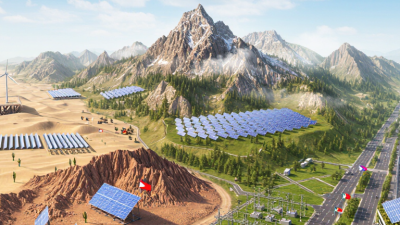
Choosing among the 10 Best Solar Power Systems for Global Buyers requires more than comparing panel wattage or advertised savings. A reliable system must match local sunlight, roof conditions, energy habits, grid rules, and maintenance access. A compact rooftop array may suit a sunny apartment building, while a farm or remote clinic may need batteries, stronger inverters, and backup protection.
Francesco La Camera, Director-General of the International Renewable Energy Agency, has stated, “Solar PV is now the cheapest source of electricity in history.” That progress is encouraging, but price alone does not guarantee a dependable installation. Battery chemistry, inverter efficiency, warranty coverage, installer qualifications, and replacement availability can change the real cost substantially. Small details matter.
This guide compares Solar Power Systems for households, businesses, and off-grid users across different markets. It considers performance in hot climates, cloudy regions, coastal areas, and locations with unstable grids. It also examines monitoring tools, installation complexity, safety features, and long-term service support. Not every highly rated system will fit every buyer. That is easy to overlook.
Some comparisons remain imperfect because electricity tariffs, shipping costs, incentives, and certification rules differ by country. Readers should verify local requirements before purchasing. A system that looks affordable online may become expensive after transport, permits, wiring, and professional labor. The strongest choice is not always the largest one. It is the system that performs reliably, remains serviceable, and fits the buyer’s actual energy needs. Mistakes happen. Careful sizing reduces them.
Global Solar Market Context: Over 1.4 TW of PV Capacity Installed by 2023
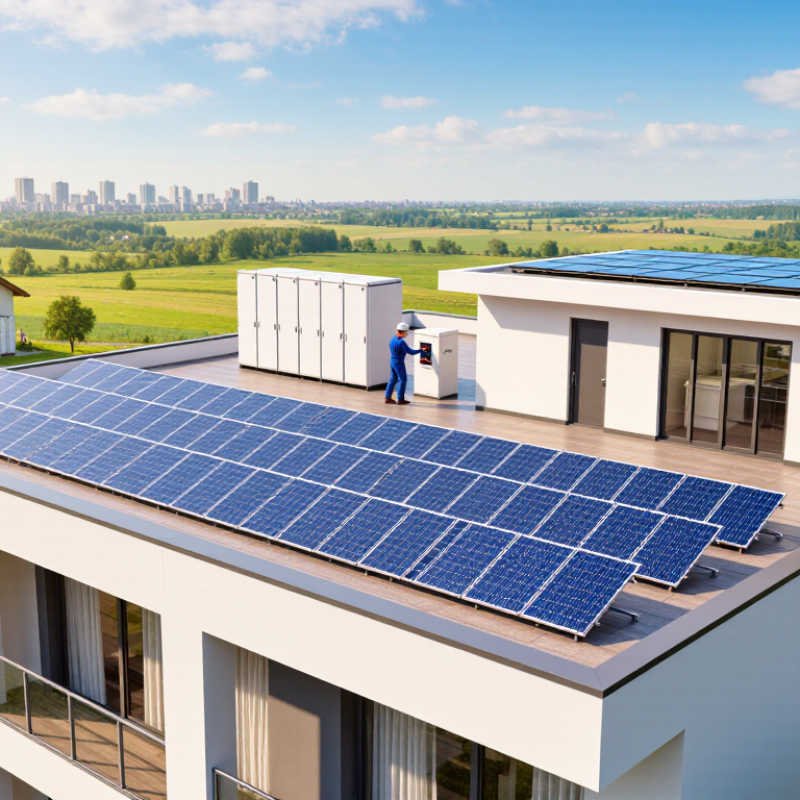
The global solar market changed scale quickly. More than 1.4 terawatts of photovoltaic capacity had been installed worldwide by 2023. This figure reflects falling equipment costs, stronger policy support, and wider access to solar power. It also shows why global buyers need careful system evaluation, not attractive specifications alone.
The ten best solar power systems usually balance efficiency, durability, storage, and serviceability. High-efficiency modules help where roof space is limited. Hybrid inverters support batteries and unstable grids. In remote regions, modular systems simplify repairs and future expansion. Buyers should check performance under heat, humidity, dust, snow, and partial shading. Conditions matter. A system designed for a cool climate may lose output quickly in extreme heat. Independent testing, clear warranties, and compliance with local electrical rules provide stronger protection than sales claims.
Procurement teams should also examine the full energy profile. A small home system may need daytime generation and limited backup storage. A clinic or workshop may require dependable power throughout the night. Battery chemistry, cycle life, fire protection, and replacement access deserve close attention. Grid connection procedures can also change project costs and schedules. A perfect ranking is impossible because local conditions differ. I would question any list that ignores installation quality, maintenance skills, and recycling plans. Small details matter, such as cable protection, inverter ventilation, and realistic production estimates.
How to Compare the 10 Best Systems Using Efficiency, Warranty, and LCOE
10 Best Solar Power Systems for Global Buyers
How to Compare the 10 Best Systems Using Efficiency, Warranty, and LCOE
Efficiency is useful, but it should not decide the purchase alone. Compare tested output under heat, low light, and partial shading. A system rated at 23% efficiency may perform poorly on a dusty roof. Check temperature coefficients, expected degradation, and inverter losses. Real conditions matter.
Warranty terms deserve careful reading. Separate product coverage, performance guarantees, inverter protection, and installation workmanship. Look for claim procedures, service locations, response times, and exclusions. A long warranty may sound impressive. It can still be difficult to use across borders. Keep invoices, commissioning records, and maintenance reports.
LCOE estimates the lifetime cost of each kilowatt-hour produced. Include equipment, installation, permits, financing, insurance, replacement parts, and disposal. Add expected output losses from degradation and harsh weather. Use a realistic discount rate rather than an optimistic forecast. Numbers need context.
For example, a cheaper system may have higher maintenance costs after year ten. A more efficient system may offer little value when roof space is generous. Compare the same electricity assumptions for every option. Currency changes can also distort global comparisons. Recheck the model before signing. A perfect spreadsheet can still miss local labor quality, grid limits, or seasonal shadows.
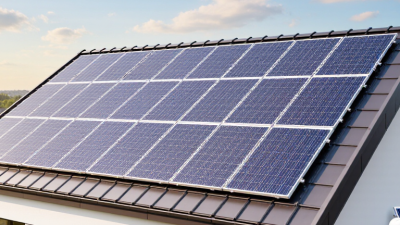
Top Residential Solar Systems: 400–600 W Modules and 20%+ Efficiency
For global buyers, the strongest residential solar systems now combine 400–600 W modules with efficiency above 20%. Higher wattage can reduce the number of panels needed on a small roof. However, a bigger module may be difficult to handle or fit around vents and skylights. Real roofs are rarely ideal.
The IEA PVPS Trends in Photovoltaic Applications 2024 report recorded about 456 GW of new solar capacity worldwide in 2023. This growth reflects improving costs and stronger residential demand. The Fraunhofer ISE Photovoltaics Report 2024 confirms that many advanced commercial modules now exceed 20% efficiency. Still, efficiency ratings are measured under laboratory conditions. Heat, shading, dust, and roof direction can lower daily output. A 500 W module will not always produce 500 W.
Tips: Check the module’s temperature coefficient, warranty terms, and verified certification. Measure usable roof space before comparing wattage. Request a production estimate using local sunlight data. Ask about inverter sizing, cable routing, and performance during cloudy months. I would not select a system by wattage alone. Installation quality can matter more than a small efficiency difference. A practical design should also leave safe access around roof edges and maintenance areas.
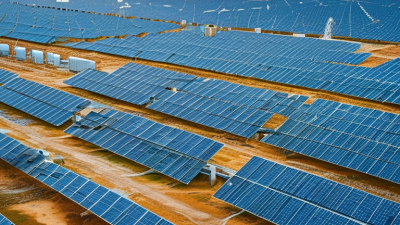
Best Commercial and Utility Systems for 1–100+ MW Projects Worldwide
For global buyers, the best solar system is not a single product. It is a bankable design matched to grid rules, land, climate, and revenue structure.
IRENA’s Renewable Capacity Statistics 2024 recorded 1,419 GW of global solar capacity at the end of 2023.
Solar added approximately 346 GW that year.
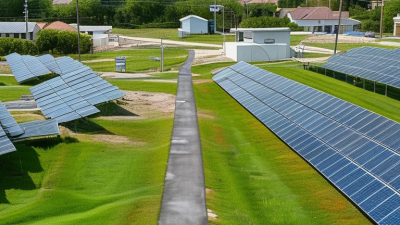
That scale changes procurement. For 1–10 MW sites, modular string architecture can simplify expansion and maintenance. Projects above 100 MW often require centralized collection, forecasting, and transmission studies.
A serious shortlist should compare fixed-tilt, single-axis tracking, bifacial, hybrid, and storage-ready layouts. NREL’s 2024 Annual Technology Baseline evaluates utility PV through location-specific costs, capacity factors, and financing assumptions.
The International Energy Agency’s Renewables 2024 report forecasts nearly 5,500 GW of new renewable capacity between 2024 and 2030. Solar will lead that growth. But forecasts are not guarantees.
A dusty 50 MW plant can lose meaningful output without cleaning plans, spare inverters, and tested performance guarantees. Weather matters too. Flood maps, wind loading, hail risk, and extreme heat should influence equipment selection before tendering.
Buyers should examine degradation, grid-code compliance, cybersecurity, warranty transfer, and end-of-life recycling. Independent yield assessments and factory inspections reduce optimistic assumptions.
Still, no ranking fits every country. A low-cost 100 MW design may underperform a smaller system where transmission capacity is limited. Price per watt can hide the largest project risks.
Global Buyer Standards: IEC 61215, IEC 61730, IP65, and 25-Year Warranties
For global buyers, solar quality begins with evidence, not brochure language. IEC 61215 confirms a module has passed design and durability testing under defined conditions. IEC 61730 addresses electrical and fire safety. These standards reduce uncertainty, but they do not guarantee every installation will perform perfectly.
The market is expanding quickly. IEA PVPS reported more than 1.6 terawatts of global photovoltaic capacity by the end of 2023, with annual additions exceeding 400 gigawatts. That scale makes consistent testing essential. Ask for current certificates, laboratory reports, factory quality records, and traceable serial numbers. An old certificate may describe a different module revision. Small detail, major risk.
IP65 means dust-tight protection and resistance to water jets. It does not mean safe underwater or during every coastal storm. Check junction-box sealing, cable connectors, mounting conditions, and local drainage. A 25-year warranty also needs careful reading. Some warranties cover product defects; others cover gradual power output, often with a specified degradation rate. Fraunhofer ISE’s Photovoltaics Report 2024 highlights typical module degradation ranges around 0.15% to 0.5% annually, depending on technology and conditions. Warranty claims may require installation records and approved maintenance. That assumption is too comfortable. Independent testing, realistic temperature data, and clear dispute procedures matter more than a long number on a datasheet.