How to Maximize Solar Energy Production?

Solar energy is no longer a niche technology. It is becoming a central part of modern electricity planning. The International Energy Agency reported that solar photovoltaic capacity grew by about 346 gigawatts in 2023. Solar represented nearly three quarters of global renewable capacity additions that year. These figures are impressive, but installed capacity does not guarantee maximum output.

Effective Solar Energy Production depends on several connected details. Panel orientation, tilt, shading, temperature, inverter efficiency, and grid conditions all matter. A small shadow from a chimney can reduce the performance of an entire string. Dust on modules can quietly lower daily generation. NREL’s PVWatts guidance also shows why local weather data and system losses deserve careful attention. A clear rooftop does not always produce the expected electricity.

The strongest results usually come from accurate site assessment, quality equipment, and continuous monitoring. IRENA’s Renewable Capacity Statistics 2024 recorded global solar capacity above 1.4 terawatts by the end of 2023. This rapid expansion increases the value of better system design and maintenance. However, production estimates can still be too optimistic. Weather changes, aging components, and imperfect installation records create uncertainty. That uncertainty should be measured, not hidden. This guide examines practical methods for improving solar output, from panel placement to cleaning schedules and performance analytics. It also considers the limits of common assumptions. More panels are not always the complete answer. Sometimes, better data and fewer avoidable losses matter more.
How to Maximize Solar Energy Production?

Assess Your Site’s Solar Energy Potential

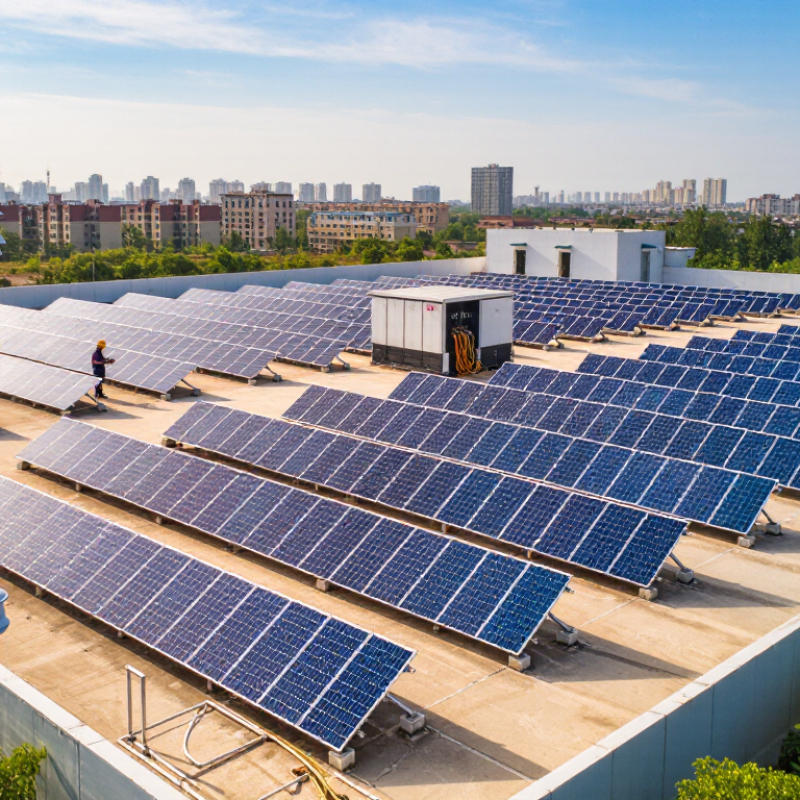
Assessing your site is the foundation of maximizing solar energy production. Begin by recording the roof’s direction, pitch, usable area, and structural condition. A south-facing roof often receives strong exposure in many regions, but local climate matters more than a simple rule. Use reliable solar maps and at least twelve months of utility data when possible. Nearby trees, chimneys, and taller buildings can cast narrow shadows that reduce output. A professional site survey should measure these effects across different seasons.

Tips: Visit the property in the morning, midday, and late afternoon. Photograph shadows on the roof. Check whether snow, dust, or leaves may cover the panels. Ask for a production estimate based on local weather records, not ideal laboratory conditions.

Small details matter. A roof that looks sunny in June may lose afternoon light in December. I have seen rough estimates overlook a growing tree near the western roof edge. That mistake can weaken long-term performance. Roof repairs should also happen before installation, because removing equipment later adds cost and inconvenience. Compare several assessments, and question unusually optimistic predictions. A trustworthy professional should explain assumptions, shading losses, maintenance needs, and expected seasonal variation clearly. Even a small unused roof section may become valuable after careful measurement.
Choose a Solar System Suited to Your Energy Needs

How to Maximize Solar Energy Production?

Choosing a solar system suited to your energy needs begins with accurate information. Review twelve months of electricity bills before discussing equipment. Note seasonal changes, evening usage, and high-demand appliances. Measure before buying. A small home may need fewer panels, while electric heating can significantly increase demand. Oversizing the system wastes roof space and money, but undersizing limits savings.

Roof conditions matter as much as household consumption. A south-facing roof often receives strong sunlight, but east- or west-facing panels may still perform well. Ask a qualified installer to examine shading from trees, chimneys, and nearby buildings. Even a narrow shadow can reduce output across connected panels.

Local weather data, roof angle, and available area should guide the design. A production estimate should show monthly results, not only an attractive yearly total.

Storage may help households that use more electricity after sunset. However, batteries add cost, weight, and maintenance considerations. Compare their capacity with your evening consumption, not your total daily usage. Check inverter limits and allow room for future appliances. Safety inspections and local electrical requirements also deserve attention. A common planning mistake is trusting optimistic estimates without reviewing actual household habits. Reality is less tidy. Monitor the system after installation, compare production with forecasts, and adjust routines when practical. Small changes, such as running laundry during sunny hours, can improve the value of the system.

Optimize Panel Placement, Tilt, and Orientation

How to Maximize Solar Energy Production?

Optimize Panel Placement, Tilt, and Orientation

Solar energy production starts with careful panel placement. A clear roof is not always the best roof. During site checks, I look for shade from chimneys, trees, vents, and nearby buildings. I observe the roof in the morning, around noon, and late afternoon. A small shadow can reduce output across several panels. Winter shadows deserve attention because the sun sits lower.

Orientation matters greatly. In the Northern Hemisphere, panels usually perform best when facing true south. In the Southern Hemisphere, true north is often preferable. Magnetic compass readings can be misleading because magnetic north differs from true north. Use local solar data or a professional survey when possible. I once trusted a quick compass reading and overlooked this difference. That mistake changed the expected output.

Tilt should support both sunlight capture and practical roof design. A tilt near the site’s latitude often provides a useful yearly balance. Seasonal adjustment can improve production, but it may not justify extra labor or structural complexity. Keep panels away from vents and roof edges when possible. Leave enough space for inspection and cleaning. Dust, leaves, and bird debris can collect along lower edges. After installation, compare actual readings across sunny days. One cloudy afternoon proves very little. Recheck the layout when trees grow or new structures appear.

How to Maximize Solar Energy Production?

Optimize panel placement, tilt, and orientation

The chart shows a normalized estimate of annual energy yield for a fixed-tilt solar array in the Northern Hemisphere. A south-facing orientation with a tilt close to the local latitude is treated as 100% potential output. East- and west-facing panels can still perform well, while north-facing panels generally produce less energy because of reduced annual solar exposure.

Reduce Shading and Maintain Panel Performance

How to Maximize Solar Energy Production?

Reducing shade is one of the fastest ways to improve solar output.

Small shadows matter. Observe the array in winter and summer, especially between 9 a.m. and 3 p.m. Trees, chimneys, railings, and nearby construction can shade only a few cells. Yet their electrical impact may spread across an entire module or string. NREL’s PVWatts documentation explains that partial shading can reduce production beyond the visibly shaded area. Trim vegetation before it reaches the panel edge, but avoid aggressive pruning that weakens trees or creates future hazards. No shade plan stays perfect.

Panel cleanliness also protects long-term performance.

IEA PVPS Task 13 reports that soiling losses commonly range from 2% to 10% annually, depending on climate and site conditions. Dust, pollen, bird deposits, and salt leave different residue patterns. Inspect panels after dry, windy periods and before the high-production season. Use manufacturer-approved methods, soft tools, and suitable water quality. Abrasive cleaning can create damage that is difficult to see. A practical maintenance log should record inspection dates, weather, visible dirt, and inverter readings. Compare similar months, not isolated cloudy days.

Performance decline deserves attention too.

NREL research on photovoltaic systems found a median degradation rate near 0.5% per year. That figure is useful, but it is not a promise. Compare measured output with expected solar conditions and investigate sudden changes. A 5% drop after new shading appears is more urgent than a gradual annual decline. Small corrections, repeated consistently, often outperform one dramatic maintenance project.

Monitor, Maintain, and Improve Solar Energy Output

How to Maximize Solar Energy Production?

Monitor, Maintain, and Improve Solar Energy Output

A solar system can look healthy while quietly losing power. I check daily production against weather, season, and historical patterns. This comparison matters more than a single impressive reading. A sudden drop on a clear day deserves attention. So does a gradual decline.

Use the inverter dashboard and a simple monthly record. Track energy, peak output time, operating temperature, and fault messages. Compare those figures with local sunlight data when available. Mismatched readings may indicate shading, loose connections, sensor errors, or equipment aging. Never guess around electrical components. A licensed professional should inspect anything beyond basic visual checks.

Keep modules free from heavy dust, leaves, and bird deposits, but clean only when soiling affects output. Rain often removes ordinary dust. Abrasive tools can scratch the surface. Inspect mounting hardware, cable routes, and drainage after severe weather. Trim new shade from trees while respecting local rules. Review performance after each maintenance action. I once assumed cleaning would solve weak afternoon output; a nearby tree was the real cause. That mistake reminded me to test assumptions. Reliable output comes from small checks repeated consistently.

Stop Paying More for Power

Utility rates rise 4–6% every year. Solar converts that rising expense into an asset that can pay for itself, and once it’s paid off, your power is essentially free. Many property owners qualify with no money out of pocket.